Our Ethos
You Were Never Supposed to
Fight the Algorithm Alone
Not another app blocker. A phone pact with people you trust.
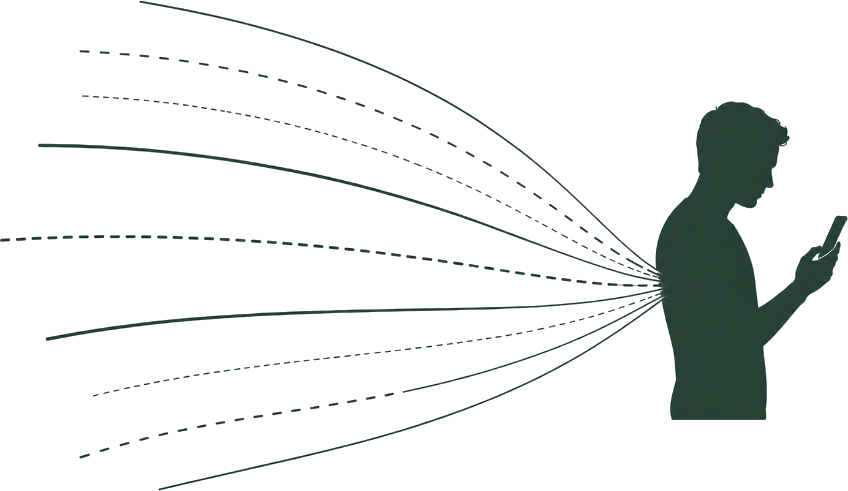
Heavy phone use is associated with disrupted sleep, reduced presence, and lower well-being, although effects vary by person, activity, and context.
The playing field is uneven. The algorithm does not get tired. You do. At the end of a long day, one person is face-to-face with systems built to keep attention for as long as possible.
The enemy is not your phone, a chemical buzzword, or personal weakness. The enemy is being asked to fight the algorithm alone.
PhonePact offers one response: a pact, not a punishment. You still choose. You just do not have to choose alone.
When we attempt to reduce screen time, we must ask: Who has the autonomy? Who is choosing to put the phone down?
The Parental Trap
Screen regulation often begins with parents confiscating devices as punishment. This is not a way to help a young person practice their own self-regulation when external control is absent.
For People Who Have Already Tried Blockers
Many people know the loop: install a blocker, follow it for three days, bypass it when tired, and wonder why another tool did not fix the problem. A blocker can be useful, but it still leaves one person alone with the choice when the restriction is removed or dismissed.
PhonePact does not treat bypassing a blocker as weakness. It asks what might change if that difficult moment included trusted people rather than another wall.
The goal is not to hate your phone. The goal is to come back to your life.
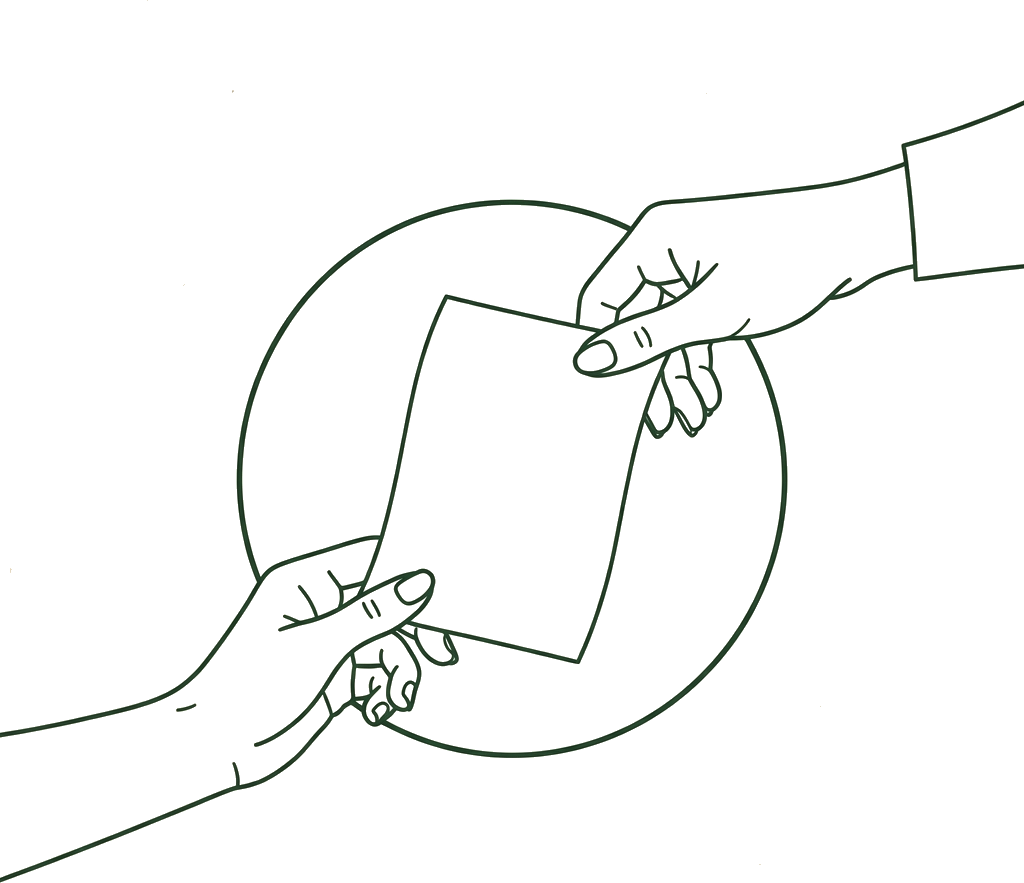
The idea for PhonePact emerged from a simple, personal agreement. A friend of mine wanted to change an online habit that was draining their productivity and presence. I shared a similar struggle. Instead of installing another blocker, we made a pact: we remained free to choose, but when the agreed moment arrived, we would tell each other.
There was no force and no punishment. The choice remained ours, but it no longer happened alone.
"In the deep moments of urge, the idea of another human being seeing my choice brought me back to healthy decision-making I felt good about."
The habit changed, and for the first time the change felt supported rather than forced. A few days later, another friend heard about our pact and joined. Then another.
That experience became the central insight behind PhonePact: a difficult choice can feel different when people you trust are beside you.

This pact draws from a well-established sociological concept: The Looking-Glass Self. Our awareness of how trusted people may see us can act as a mirror. PhonePact uses that social presence as an invitation to reflect, never as a score or threat.
The Cafe Effect
This is why people work far more productively in libraries or cafes than alone in their bedrooms. The physical presence of others calls your social self into existence, keeping you conscious of your actions.
The Garage Door Effect
As children, when we were watching TV or playing video games, the sound of the garage door opening and our parents returning instantly brought our external-in perspective back. We scrambled to clean up or to thaw the chicken we'd forgotten about, jolted back into reality.
During deep scrolling, that wider perspective can disappear. PhonePact acts as a quiet reminder that your life and your trusted circles still exist outside the feed.
PhonePact helps you notice your screen time and get support from people you trust. You choose what your phone counts, when you want private notices, and your daily pact point. Subject to synchronization and stale/replay suppression, your circles can receive duration-only check-ins at that point and every later 30-minute crossing through 23h 30m. The usage measurement in a shared check-in is duration only; its row identifies the member and phone, includes the event time, and may include a member-written note. App and website identities are not automatically included; details you choose to write in that note are shared. PhonePact never blocks your phone or gives you a score. It works on iPhone and Android, lets you lower your pact point whenever you want, and asks a circle mate to approve an increase. Optional widgets and live-status surfaces show aggregate progress privately; iPhone versions where Live Activity is available route whole-minute totals through PhonePact’s backend to keep that private surface current, without sending app identities.
The Mission
Our goal is to help as many people as possible reclaim their attention without turning their pain into an attention-extraction business. Any future pricing should support the service while staying clear and fair.
Core service and Supporter insights
The core experience is currently available without a Supporter purchase. Monthly and one-time Supporter purchases unlock Deeper Insights where available: daily, weekly, monthly and time-of-day views, private app details, trends and comparisons, research context, and the pact history recorded on this phone. Availability varies by installed version, platform, account, and staged store rollout. Measurements differ by platform. There are no rankings or AI Insights analysis, and detailed Insights never go to your circles or RevenueCat. Read how we handle Insights data.
Our Aligned Pledges
Every Supporter option clearly shows its features, price, access period, renewal terms, and cancellation terms before purchase. These promises always apply:
- Zero Ads, Ever: No popups or ad revenue models.
- No Data Selling: We do not sell your screen time or usage metrics to anyone.